Networking

Blog posts tagged “Networking”


HTML over WebSockets: The Web's Quiet Move Back to the Server

WebSockets Web Development Developer Tools

LiveView, Hotwire, Datastar, and Blazor all push rendered HTML over a persistent connection instead of JSON. Here's why the pattern keeps resurfacing, what changed in 2026, and what it costs you when you test it.
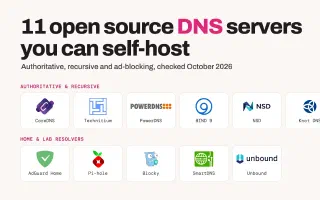
Best Self-Hosted Open Source DNS Servers in 2026 (PowerDNS, BIND, Unbound & More)

DNS Self-Hosted Open Source

A technical comparison of the best open source DNS servers you can self-host in 2026 - PowerDNS, BIND9, Unbound, NSD, Knot DNS, CoreDNS, Technitium, AdGuard Home, Pi-hole, Blocky, SmartDNS, and dnsmasq - with GitHub stars, license, language, latest versions, and the security releases each shipped through October 2026.

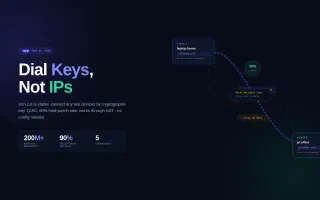
Iroh 1.0: Dial Keys, Not IPs

Networking Rust Peer-to-Peer

Iroh 1.0 ships a stable P2P networking library that connects devices by cryptographic key instead of IP address. QUIC under the hood, 90% hole-punch success, 200M+ endpoints/month, and now stable language bindings for Python, Node.js, Swift, and Kotlin.

How IPv6 Solves the NAT Problem

IPv6 NAT Networking

Discover how IPv6's massive address space eliminates the need for NAT, restoring true end-to-end connectivity. Learn the technical differences between IPv4 and IPv6, why NAT was necessary, and how IPv6 enables direct peer-to-peer communication for gaming, VoIP, IoT, and more.

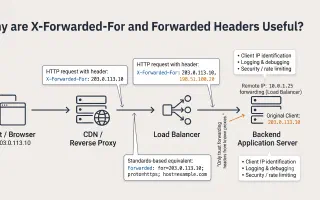
Why are X-Forwarded-For and Forwarded Headers Useful?

Http Networking Security

Learn how X-Forwarded-For and Forwarded HTTP headers help preserve client IP addresses through proxies and load balancers. Understand their use cases for logging, security, rate limiting, and geolocation.

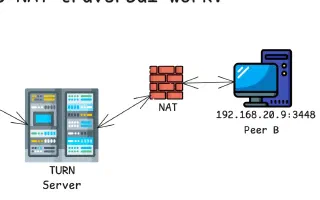
How does NAT traversal work?

Networking NAT Peer-to-Peer

Learn how NAT traversal enables peer-to-peer connectivity through firewalls and routers. Understand STUN, TURN, ICE protocols, hole punching techniques, and practical implementation strategies.

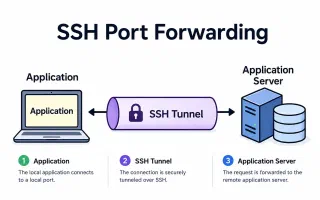
SSH Port Forwarding

Guide Ssh Networking

Master SSH port forwarding with practical examples for local, remote, and dynamic tunneling. Learn how to securely access databases, bypass firewalls, and debug applications.

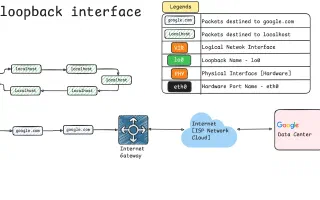
What is 127.0.0.1 and Loopback?

Networking Localhost 127.0.0.1

Understand `127.0.0.1`, loopback addresses, and how they work in networking. Learn why localhost points to `127.0.0.1` and how to use loopback for development and testing.